We decided to build on the second draft according to our feedback, these were the final digipak products.
Labels
- Evaluation (4)
- Final Products (3)
- Planning (16)
- Research (15)
- Research & Planning - Advert (3)
- Research & Planning - Digipak (4)
Tuesday, 14 February 2017
Monday, 13 February 2017
Saturday, 11 February 2017
Evaluation: Question 3) What have you learnt from your audience feedback?
What have you learned from your audience feedback?
Demographics
Before creating a music video, it is very important to identify who the target audience is. This is because all the elements included within a music video such as the artist, characters, themes, settings, mise en scene and more are all related to the target audience. Therefore I used a questionnaire to identify the target audience - which allowed us to find out the most vital information about them and how to appeal to them through our products. Once we had discovered as much as we could, we made some decisions regarding our music video. The key areas and requirements we identified were:
Genre: The genre of my song for my music video is Hip-Hop, and we chose the song Too Young by Post Malone.
Gender: My music video is targeted at all genders, although Hip Hop is conventionally seen as a genre for young males, there are many females that enjoy the genre and recently there has been a rise, especially with more female hip hop artists.
Age: My music video is targeted to those above the age of 18 up to 30 years old, this is mainly due to the lyrical content of the song and profanity used.
Ethnicity: My video is targeted at all ethnic groups, as hip hop is not constrained to one race with many artists being from different backgrounds.
Occupation: My music video is mainly targeted at working class young people as this is conventional for the genre of hip hop, therefore my audience should be able to relate to my music video.
Hobbies and interests: As my music video is targeted at young adults and due to the locations we filmed in, people that are sociable and more likely to go to parks and skate parks will enjoy the music video more. Although these are quite general locations and people without specific hobbies or interests should also enjoy the video.
Questionnaire and Graphs
During the initial stages of planning I gave a sample group a questionnaire in order to receive feedback on my upcoming music video. This was to identify who my target audience was and to understand what they enjoyed and expected from the music video. I used the results of my questionnaire to create graphs to display the results much more clearly and analyse them, using this I was able to make educated decisions on characters, mise en scene, cinematography, locations and more. This allowed me to create a music video that was targeted at the correct audience and was suitable enough for them and to meet their expectations.
My questionnaire:
There were some key questions that we had asked and the feedback we received was vital when it came to making decisions:
As most people preferred if the main artist was both relatable and a role model, we went forward with this as the target audience is very similar to the artist himself and he is raising social issues through his lyrics.
How did this help you make decisions?
The questions that we asked and got feedback from helped identify what the audience wanted and expected from the music video, this allowed us to make key decisions based on the results. For example, with questions on expectations on how the artist should dress in a hip hop music video, we got the results back of most people saying "gangster-like" and "casual", we kept this in mind when planning our shoot and instructed the artist to wear what he did, this would appeal to the target audience positively as they will know we are listening to them. Without a questionnaire, my group would not have had feedback to draw upon and our group would have been put in a position where we would have very little knowledge of how to appeal to the target audience or even whom our target audience were. Therefore this use of research has been greatly helpful as it allowed us to base our decisions on solid evidence as we had referred back to our graphs and results constantly when making important decisions regarding the music video.
What is the importance of receiving critical feedback once the production has been made?
Once a product has been completed it is vital that the target audience get a chance to view the product and give feedback - this will allow you to make small changes that may have a big impact on the final product. This allows it to be as successful and appealing as possible for the target audience. After identifying how vital it was to receive critical feedback on our final production, we held a focus group which consisted of AS and A2 film studies and media students to watch our production and view the ancillary products. We were given both positive and negative comments on this.
Focus group pictures:
Soundcloud feedback
Link to youtube video and comments left on it:
https://www.youtube.com/watch?v=NHfi-jZhHLo
Why did you put your work on youtube?
I put my work on youtube as it is the largest social media platform in the world. It has the largest global audience and it is regularly used by creators to gain recognition and several careers have been started due to posting on Youtube. Youtube also have a comments section (as seen above) which allowed me to see unfiltered feedback from the general public and my target audience, I was able to see positives and critiques about my music video which allowed us to make minor changes which affected the quality of the finalised product.
Comments left on Youtube:
Positive:
"Shot and edited very well!"
"..very different music video not like others right now"
"The editing is really well done...didn't overuse effects because that can make it seem unprofessional"
Negative:
"..the shots were too similar in the different places"
"..some lip syncing is not in time"
What did you learn from this audience feedback in terms of whether you created a conventional and successful music video?
The audience feedback on Youtube taught me that my music video was effective and produced well overall. There were only very minor changes that were needed such as the lip syncing which was made aware to me by the criticism in the comments. Some shots were replaced and the lip syncing was sorted out so every shot had the lip syncing on time. The majority of the audience enjoyed the music video which made it successful.
Screenshots of video on facebook and instagram
Why did you put your work on Instagram and Facebook?
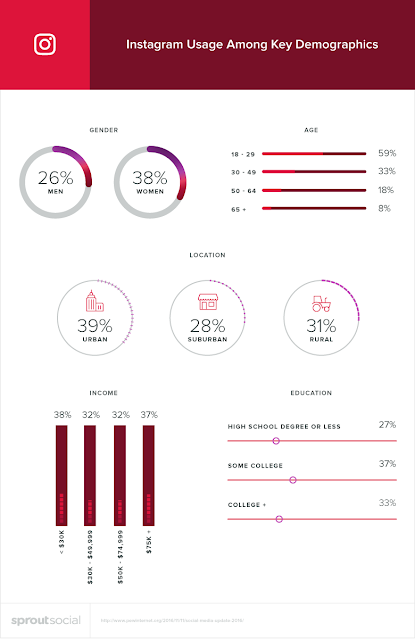
I put my production on Facebook and Instagram as it is an easy way to share the video with family and friend as well as the rest of the general public who may not be active on Youtube. It also helped spread awareness of my artist as Facebook and instagram are very popular social media websites. Both sites allowed for my video to be liked, shared and commented on therefore allowing me to receive constructive criticism from my target audience, especially as the age range of my target audience of 18-30 mostly use instagram.
Some general comments from Facebook and Instagram
Positive:
"The themes are illustrated in this video, very unique I love it"
"Great cinematography I like the slow motion editing it is used appropriately"
Negatives:
"It got a bit too repetitive at times"
"The lighting was a bit off in some of the shots"
What did you learn from this audience feedback in terms of whether you created a conventional and successful music video?
I learned that a majority of the audience, including my target audience enjoyed the music video as I received a lot of positive feedback. I learned that my music video is greatly conventional due to the amount of positive feedback I got and the numbers of people that viewed it. The feedback may not have been greatly recieved if I had targeted a niche audience as the numbers of people watching would be a lot less. Most people enjoyed the idea of it and although it was risky, I aimed for addressing social issues rather than boasting about wealth to a mass audience, but this was too received well. Although I did get some negative comments mostly about the shots being repetitive and earlier on about the lip syncing not being on time, this was quickly taken care of for the finalised product. Overall these criticisms helped me build a better product to appeal to the target audience.
Conclusion
Overall, I promoted my music video and linked it on various social media platforms including Facebook, Instagram and Youtube. This was effective as they are some of the most popular social media websites and are globally accessible which allowed us to reach the largest audiences thereby making it a popular and successful product. The feedback I received from the various social media platforms greatly helped me build a better product. Overall the feedback was positive which ensured the videos success, although there were some critical comments regarding the lip syncing and the repetitiveness of some shots, although this was quickly amended before the finalised product as they were very minor issues. As the director of the music video, I believed it was important to identify the issues as early as possible and use this production as a learning curve in case of future reference where I may have to create a music video again. As a whole the feedback helped greatly and I am positive I am able to make a successful music video with very little issues.
Demographics
Before creating a music video, it is very important to identify who the target audience is. This is because all the elements included within a music video such as the artist, characters, themes, settings, mise en scene and more are all related to the target audience. Therefore I used a questionnaire to identify the target audience - which allowed us to find out the most vital information about them and how to appeal to them through our products. Once we had discovered as much as we could, we made some decisions regarding our music video. The key areas and requirements we identified were:
Genre: The genre of my song for my music video is Hip-Hop, and we chose the song Too Young by Post Malone.
Gender: My music video is targeted at all genders, although Hip Hop is conventionally seen as a genre for young males, there are many females that enjoy the genre and recently there has been a rise, especially with more female hip hop artists.
Age: My music video is targeted to those above the age of 18 up to 30 years old, this is mainly due to the lyrical content of the song and profanity used.
Ethnicity: My video is targeted at all ethnic groups, as hip hop is not constrained to one race with many artists being from different backgrounds.
Occupation: My music video is mainly targeted at working class young people as this is conventional for the genre of hip hop, therefore my audience should be able to relate to my music video.
Hobbies and interests: As my music video is targeted at young adults and due to the locations we filmed in, people that are sociable and more likely to go to parks and skate parks will enjoy the music video more. Although these are quite general locations and people without specific hobbies or interests should also enjoy the video.
Questionnaire and Graphs
During the initial stages of planning I gave a sample group a questionnaire in order to receive feedback on my upcoming music video. This was to identify who my target audience was and to understand what they enjoyed and expected from the music video. I used the results of my questionnaire to create graphs to display the results much more clearly and analyse them, using this I was able to make educated decisions on characters, mise en scene, cinematography, locations and more. This allowed me to create a music video that was targeted at the correct audience and was suitable enough for them and to meet their expectations.
My questionnaire:
There were some key questions that we had asked and the feedback we received was vital when it came to making decisions:
This allowed us to identify our target audience as most of the people that contributed to our questionnaire were between the ages of 18 and 30.
This evidence made it clear that people enjoyed a music video with the artist as the main focus of the video - which is what we ended up doing.
This allowed us to make decisions about our artists costume, which ended up consisting of typical young working class male's clothing of tracksuit pants and hoody, parka jackets, joggers, puffer jackets and a hat.
As most people preferred if the main artist was both relatable and a role model, we went forward with this as the target audience is very similar to the artist himself and he is raising social issues through his lyrics.
How did this help you make decisions?
The questions that we asked and got feedback from helped identify what the audience wanted and expected from the music video, this allowed us to make key decisions based on the results. For example, with questions on expectations on how the artist should dress in a hip hop music video, we got the results back of most people saying "gangster-like" and "casual", we kept this in mind when planning our shoot and instructed the artist to wear what he did, this would appeal to the target audience positively as they will know we are listening to them. Without a questionnaire, my group would not have had feedback to draw upon and our group would have been put in a position where we would have very little knowledge of how to appeal to the target audience or even whom our target audience were. Therefore this use of research has been greatly helpful as it allowed us to base our decisions on solid evidence as we had referred back to our graphs and results constantly when making important decisions regarding the music video.
What is the importance of receiving critical feedback once the production has been made?
Once a product has been completed it is vital that the target audience get a chance to view the product and give feedback - this will allow you to make small changes that may have a big impact on the final product. This allows it to be as successful and appealing as possible for the target audience. After identifying how vital it was to receive critical feedback on our final production, we held a focus group which consisted of AS and A2 film studies and media students to watch our production and view the ancillary products. We were given both positive and negative comments on this.
Focus group pictures:
Soundcloud feedback
Link to youtube video and comments left on it:
https://www.youtube.com/watch?v=NHfi-jZhHLo
Why did you put your work on youtube?
I put my work on youtube as it is the largest social media platform in the world. It has the largest global audience and it is regularly used by creators to gain recognition and several careers have been started due to posting on Youtube. Youtube also have a comments section (as seen above) which allowed me to see unfiltered feedback from the general public and my target audience, I was able to see positives and critiques about my music video which allowed us to make minor changes which affected the quality of the finalised product.
Comments left on Youtube:
Positive:
"Shot and edited very well!"
"..very different music video not like others right now"
"The editing is really well done...didn't overuse effects because that can make it seem unprofessional"
Negative:
"..the shots were too similar in the different places"
"..some lip syncing is not in time"
What did you learn from this audience feedback in terms of whether you created a conventional and successful music video?
The audience feedback on Youtube taught me that my music video was effective and produced well overall. There were only very minor changes that were needed such as the lip syncing which was made aware to me by the criticism in the comments. Some shots were replaced and the lip syncing was sorted out so every shot had the lip syncing on time. The majority of the audience enjoyed the music video which made it successful.
Screenshots of video on facebook and instagram
Why did you put your work on Instagram and Facebook?
I put my production on Facebook and Instagram as it is an easy way to share the video with family and friend as well as the rest of the general public who may not be active on Youtube. It also helped spread awareness of my artist as Facebook and instagram are very popular social media websites. Both sites allowed for my video to be liked, shared and commented on therefore allowing me to receive constructive criticism from my target audience, especially as the age range of my target audience of 18-30 mostly use instagram.
![]() |
| demographics from sproutsocial.com |
Some general comments from Facebook and Instagram
Positive:
"The themes are illustrated in this video, very unique I love it"
"Great cinematography I like the slow motion editing it is used appropriately"
Negatives:
"It got a bit too repetitive at times"
"The lighting was a bit off in some of the shots"
What did you learn from this audience feedback in terms of whether you created a conventional and successful music video?
I learned that a majority of the audience, including my target audience enjoyed the music video as I received a lot of positive feedback. I learned that my music video is greatly conventional due to the amount of positive feedback I got and the numbers of people that viewed it. The feedback may not have been greatly recieved if I had targeted a niche audience as the numbers of people watching would be a lot less. Most people enjoyed the idea of it and although it was risky, I aimed for addressing social issues rather than boasting about wealth to a mass audience, but this was too received well. Although I did get some negative comments mostly about the shots being repetitive and earlier on about the lip syncing not being on time, this was quickly taken care of for the finalised product. Overall these criticisms helped me build a better product to appeal to the target audience.
Conclusion
Overall, I promoted my music video and linked it on various social media platforms including Facebook, Instagram and Youtube. This was effective as they are some of the most popular social media websites and are globally accessible which allowed us to reach the largest audiences thereby making it a popular and successful product. The feedback I received from the various social media platforms greatly helped me build a better product. Overall the feedback was positive which ensured the videos success, although there were some critical comments regarding the lip syncing and the repetitiveness of some shots, although this was quickly amended before the finalised product as they were very minor issues. As the director of the music video, I believed it was important to identify the issues as early as possible and use this production as a learning curve in case of future reference where I may have to create a music video again. As a whole the feedback helped greatly and I am positive I am able to make a successful music video with very little issues.
Thursday, 2 February 2017
Evaluation: Question 4) How did you use new media technologies in the construction and research, planning and evaluation stages?
Evaluation: Question 4:
How did you use new media technologies in the construction and research, planning and evaluation stages?
Wednesday, 21 December 2016
Research and planning – advert: Drafts of adverts
Drafts of adverts
Once we identified the details that we associated with our music video and advert such as the artists name, album title, key singles, release date and other generic conventions associated with the advert, we created drafts of our advert. This allowed us to make numerous changes after receiving feedback from our target audience, this helped us make the final advert effective and suitable to meet the target audience's standards, encouraging them to promote the album through either word of mouth or social media, which would make more people aware of the album. We identified the importance of an advert as it will be exposed to a mass audience and is used to encourage them to buy a product. Therefore, we understand that the presentation our advert and use of conventions are vital to ensure the album and artist's success.
Draft 1:
Analyse your use of conventions using PEER:
- An image is included of my main artist who is wearing dark clothing and a hat, he is not facing the camera and is looking up. This is portrayed in a long shot cropped down to a portrait shot to fit the size of an advert. This is conventional as it gives off the theme of hope and makes the artist look mysterious.
- The background image is very simple with only the grass, some trees and the sky to be seen, this is so the artist is the focal point of the image.
- The layout of the information is neat and the information does not look too cluttered. This draws the audience to the advert as there is not too much to read on the advert.
- The information I have included is conventional which is the artist name, album name, key singles, the release date as well as the parental advisory label. This information is all relevent to the proper release of the advert and is therefore conventional so the audience are aware of the most important things.
- No sub images are included, this is to avoid confusion.
- The unconventional part of this advert draft is the theme of hope and the lack of star image on this advert as the artist is seen looking up and appears to be praying.
- Adorno and popular culture - The advert generally follows convention to appeal to a mass audience, however the image of the artist is unconventional as he is not appealing in the advert due to not looking into the camera which is conventional. The advert is targeted for the masses but due to it being the genre of hip hop it may not appeal to the bourgeoise.
- This advert allows my artist to promote their different ideologies and values as he is dressed as a typical young working class male and can be seen as promoting the idea of hope.
Audience feedback - Natalie, 18.
What did you like about it?
Image is very interesting and shot well
Typography is clear and is consistent with digipak as well
Release date, artist title and album title is clear.
What did you not like about it?
Cannot see artists face
Typography colour does not go well with the image
How can it be improved?
Consider changing typography colour
Consider changing image as artist image is not clear of who he is.
Add where I can stream and buy the album
Draft 2:
Analyse use of conventions using PEER
- I have included an image of my artist and he is looking away, this shows that he is mysterious and can promote the idea that the audience should find out more about him.
- The artist image shows him wearing a hoody and tracksuit bottoms with the hood up, this is so that he is shown as a typical young working class male and therefore can relate to a mass audience and is he relatable to the target audience.
- The typography can be seen as promoting the theme of sadness and death, which are the themes of the album although there are others.
- The advert itself is in black and white or grayscale, this is to show how varied the album is as white could represent purity and innocence while black could represent darkness and have negative connotations.
- The fonts and the information on the advert is clear and and neat , there is little information on the advert itself so people can stop to read it easily.
- The language I have used is simple so that our target audience who are mainly working class people are able to understand it properly.
- There are no sub images, confusion is prevented this way.
- Adorno and popular culture - this follows popular culture as it is a conventional advert with simple imagery and text and therefore appeals to a mass audience. The image of the artist is typical for the hip hop genre and a lot of the audience can be drawn in this way. The advert is targeted for the masses but due to it being the genre of hip hop it may not appeal to the bourgeoise.
- Dyer's star image, star image is evident in this advert as the artist is clear in the advert so he can become a recognisable brand.
Audience feedback - Daniel, 20.
What do you like about it?
The black and white editing is done well as it is not too much of either
The artist image is clear
I can see where I can buy and stream the album
What do you not like about it?
The typography is a bit too dark and does not clearly contrast with the background image
The layout is cluttered
How can it be improved?
Change the colour of some of the text
The key singles should be clearer
The layout should be spread out more
Conclusion:
In conclusion, the drafting process has been vital as it has helped us develop our product further based on the feedback we received. We were able to make some changes and come to a decision on which draft we were to use. Our final advert was conventional enough to appeal to the mass audience and our target audience and certain parts of it such as the clothes the artist wears and the editing used on the advert allowed for us to target niche audiences. We picked draft 2 as we thought it was extremely important to promote our artists star image to ensure he becomes a well known brand, especially as it is his debut studio album. If we had not drafted our advert we may have made an unsuccessful advert which would not have reflected our genre and may not have reached the target audience the way we had hoped for.
Tuesday, 20 December 2016
Research and planning – Digipak: Drafts of digipak
Drafts of digipak
After identifying the most common details associated with our digipak such as artists name, album title, track list, parental advisory label and bar code - we created drafts for our digipak. This allowed us to explore different software and be creative to make it as appealing as possible to our target audience. We also took in feedback which allowed us to meet the target audience standards , this identified the importance of the digipak and the correct presentation and use of conventions were vital in ensuring how successful the album would be.
Draft 1:
Analyse your use of conventions using PEER:
- I have included an image of my artist and he is looking away from the camera, he is mainly wearing dark clothing which is captured with a medium shot - this is conventional as it makes my artist look mysterious and does not make the audience aware of what his intentions are.
- The title of my album is "Changes" which can intrigue the audience as they could have their own interpretation of the word, also it suggests that a story will be told.
- The low key lighting as well as the use of the blue and purple gradient creates a mysterious and intriguing atmosphere and mood. This is conventional as we are inviting the audience to discover more with this artist.
- The typography contrasts the background but also stands out, this yellow/gold colour can give off the idea of hope juxtaposing the negative connotations the dark themes may have.
- The overall layout is neat as everything fits properly and it does not look too cramped, this is conventional as the most important image of the artist is clear.
- The second image I have used is a train and can be linked to travel which can also be linked to the album title of changes, this further intrigues the audience leaving them wanting to know more about the album and what it contains.
- The language I have used is simple as the audience should be able to relate to it easily as my target audience are predominantly working class and I wish for them to understand it.
- Adorno and popular culture: This digipak follows most conventions and therefore is not going against hegemony, it is appealing to a mainstream audience due to the dark colours and the low key lighting, the artist does not look entirely relatable but his costume can be seen as conventional for those of the hip hop genre.
- ME-Ka is seen as promoting his culture and ideologies as he is dressed as a typical working class young male, representing them for their masses.
- Hebdige's subcultures: This digipak can also relate to the hip hop subcultures as well as others as it looks like a conventional hip hop album, very few hip hop albums are entirely about positive things.
Audience feedback: Victoria, 18
What do you like about it?
Front cover
The title is clear
Very consistent with colours and text
Artist image is quite clear and intriguing
Back cover
Gradient colour is nice as opposed to the same colour as the front
Image of train is interesting
What did you not like about it?
Front cover
The artist looks confused in the image
The artist name is not on the front
Back cover
The track list should be more clear and sizes should be changed.
How can it be improved?
Front cover
The artists name needs to be added to the front
Make the image of the artist brighter
Back cover
More information such as artist name on the back
Distributing company logo can be added
Production details on back cover need to be added
Draft 2
Analyse your use of conventions using PEER
- I have included an image of my artist and he is looking away from the camera, he is wearing all black which is captured with a medium shot - this is conventional as it makes my artist look mysterious and does not make the audience aware of what his intentions are.
- The title of my album is "Changes" which can intrigue the audience as they could have their own interpretation of the word, also it suggests that a story will be told.
- There is a darkened image of my artist which has tones of blue with low key lighting, this adds mysteriousness to his character which should intrigue audiences.
- The typography contrasts the background but also stands out, this yellow/gold colour can give off the idea of hope juxtaposing the negative connotations the dark themes may have.
- The red colour of the background represents blood, sorrow and pain which contrasts with the typography.
- The layout of the front and back images is consistent and works well as whole as it is simple.
- The language I have used is simple as the audience should be able to relate to it easily as my target audience are predominantly working class and I wish for them to understand it.
- Adorno and popular culture: This digipak follows most conventions and therefore is not going against hegemony, it is appealing to a mainstream audience due to the dark colours and the low key lighting, the artist does not look entirely relatable but his costume can be seen as conventional for those of the hip hop genre.
- ME-Ka is seen as promoting his culture and ideologies as he is dressed as a typical working class young male, representing them for their masses.
- Hebdige's subcultures: This digipak can also relate to the hip hop subcultures as well as others as it looks like a conventional hip hop album, very few hip hop albums are entirely about positive things.
Audience feedback: Matthew, 19
Strengths -
Colours and text is consistent
Typography is clear and juxtaposes the background well - stands out (which is conventional)
Good artist representation - it is intriguing
Weaknesses -
Image of artist too dark
Parental advisory label missing from front cover
Artist name is missing on either cover
No production information
Conclusion:
The drafting of the digipak process has allowed us to create a final digipak which has been built from the constructive criticism we received from the feedback. The changes we made included changing some of the spacing of the typography, as well as adding a parental advisory label to the front cover and the artists name to the back. We chose not to add his name to the front as we wanted him to seem like an established commodity who is recognised via his star image. A barcode was also added for when the album goes on sale as professional digipaks have this. The drafting process was vital and it was effective as we were able to understand the small issues with the quality of the digipak, without it it would not be as successful.
Friday, 16 December 2016
Research and planning – Digipak: Identifying conventions and analysing existing digipaks
Identifying Conventions and Analysing Existing Digipaks
Purpose:
What are the generic conventions?
The generic conventions of a digipak includes:
Artist image
Tracklist
Parental advisory label
Record label
Barcode
Album title
Company details
Critical details
Critical sticker
Analyse two examples that are similar to your genre/artist:
Conclusion:
How has this research given your group ideas on what to include in your digipak?
This research has been extremely beneficial to our planning process as we now have a better understanding regarding our digipaks. We are also able to identify their purpose which is that they are marketing tools used to sell and promote an artists album to the audience and is what determines a success of an album. Furthermore, we have also disserved what the generic conventions of digipaks are. As a result, we will be following the generic conventions in order to secure the success of our digipak also making sure that it looks professional which will encourage audiences to buy the product. After we analysed existing products from similar artists from the hip pop genre, we also identified that these digipaks consistently use dark colours and simple with important information so that the audience are aware of it. We decided to follow this convention and go with dark colours ourselves to promote the dark mood which also reflects the songs in the album. We only included relevant information to prevent the audience of getting bored. Overall, by following these generic conventions and being influenced by digipaks from similar artists and genres, we believe that it has a high chance of being successful, drawing our target audience of what they're use to seeing in mainstream hip-pop.
Purpose:
- Marketing tool that sells/promotes the album
- Displays indirect information such as the ideologies of the artist
- Creates, adapts or feeds into representation of 'star image'
- A product to keep hold of, can be a collectors item
- Attract a particular target audience
- Buy into artist lifestyle and ideas
- An everlasting product that will symbolise the artist and the album
- Form of synergy - advertising and promotion
- Creates a relationship between the artist and audience
What are the generic conventions?
The generic conventions of a digipak includes:
Artist image
Tracklist
Parental advisory label
Record label
Barcode
Album title
Company details
Critical details
Critical sticker
Analyse two examples that are similar to your genre/artist:
Conclusion:
How has this research given your group ideas on what to include in your digipak?
This research has been extremely beneficial to our planning process as we now have a better understanding regarding our digipaks. We are also able to identify their purpose which is that they are marketing tools used to sell and promote an artists album to the audience and is what determines a success of an album. Furthermore, we have also disserved what the generic conventions of digipaks are. As a result, we will be following the generic conventions in order to secure the success of our digipak also making sure that it looks professional which will encourage audiences to buy the product. After we analysed existing products from similar artists from the hip pop genre, we also identified that these digipaks consistently use dark colours and simple with important information so that the audience are aware of it. We decided to follow this convention and go with dark colours ourselves to promote the dark mood which also reflects the songs in the album. We only included relevant information to prevent the audience of getting bored. Overall, by following these generic conventions and being influenced by digipaks from similar artists and genres, we believe that it has a high chance of being successful, drawing our target audience of what they're use to seeing in mainstream hip-pop.
Subscribe to:
Posts (Atom)


